

Wholesale Paraxylene Experiment - Activated Alumina for H2O2 production, CAS#: 1302-74-5, Activated Alumina – Zipen
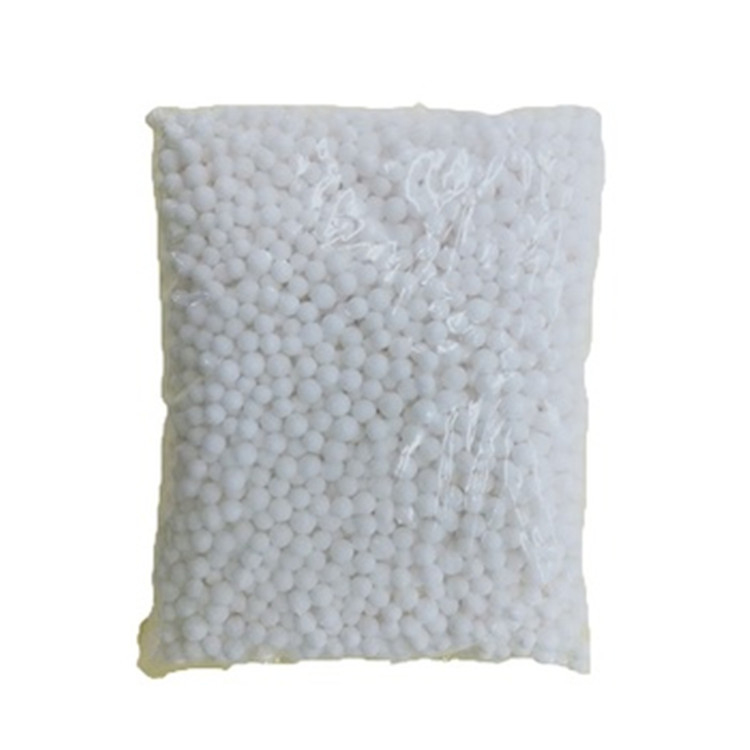
Wholesale Paraxylene Experiment - Activated Alumina for H2O2 production, CAS#: 1302-74-5, Activated Alumina – Zipen Detail:
Industry standard
Our products conforms to HG/T 3927-2007
Properties of alumina special for hydrogen peroxide
Crystal phase: γ-Al2O3
Specification (mm): 7~14 mesh Φ 3~5, Φ4~6, Φ5~7
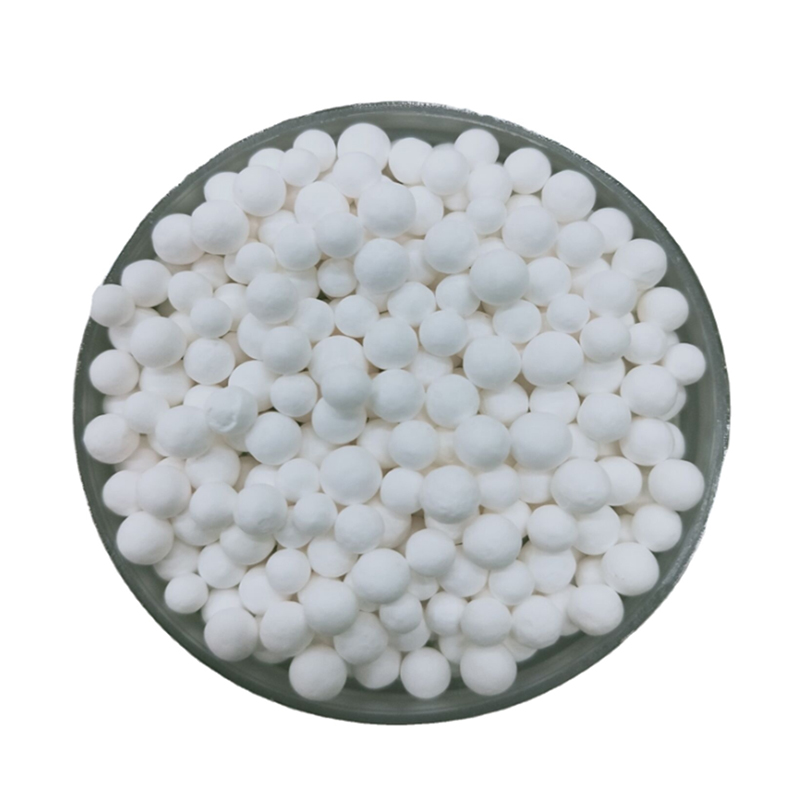
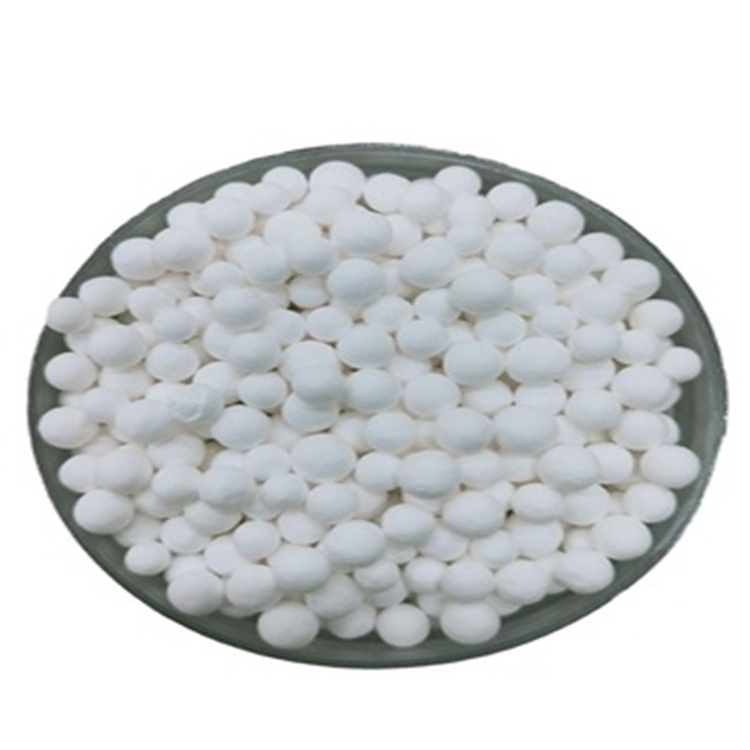
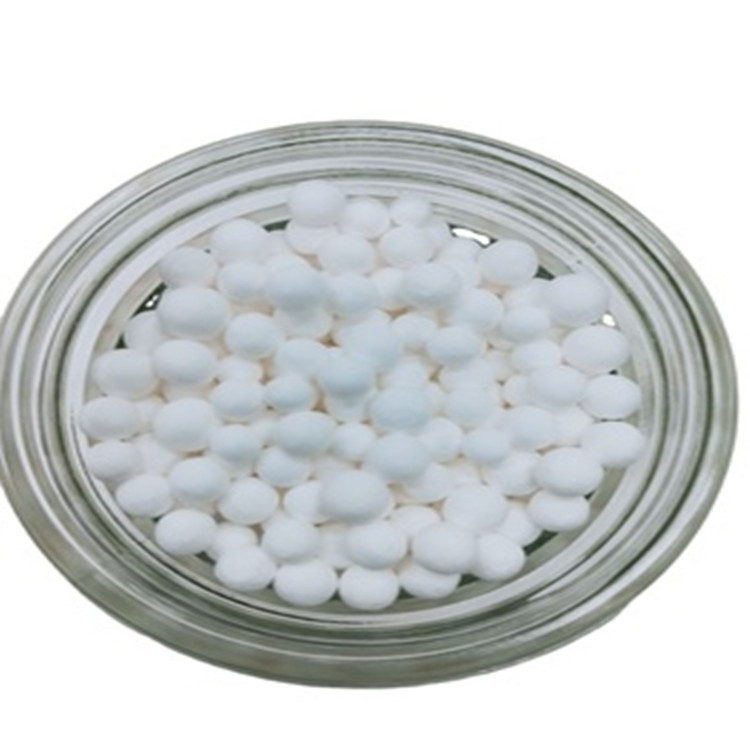
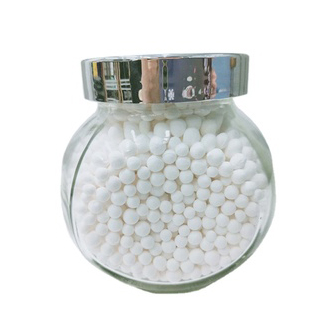
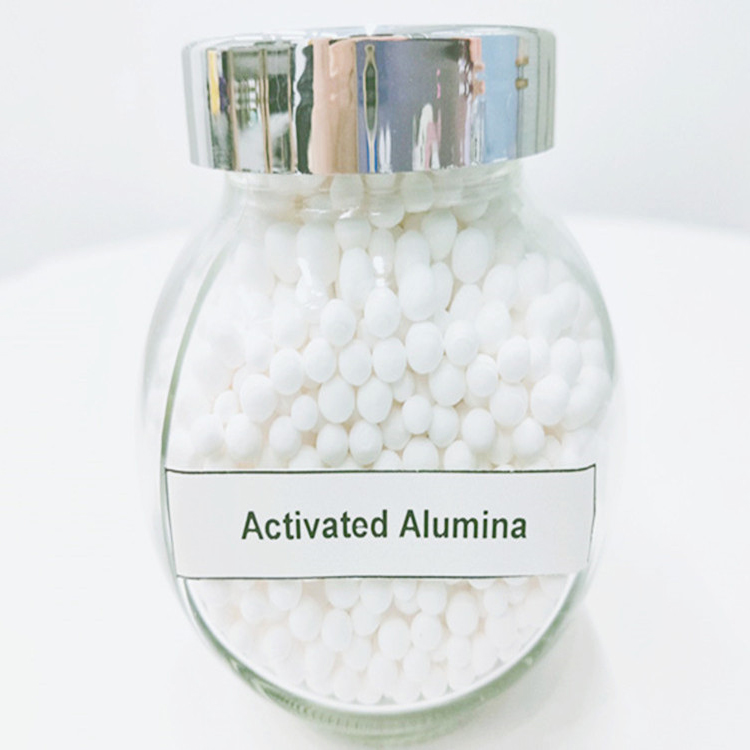
Exterior: White ball granule
Heap density (g/cm3): 0.68-0.75
Strength (N/grain): >50
Surface area (m2/g): 200~260
Pore volume (cm3/g): 0.40~0.46
Large hole (>750A): 0.14
Water absorption (%): >50
Application of activated alumina as adsorbent
The main liquids that activated alumina can be dried are: aromatic hydrocarbons, polymer olefins, gasoline, kerosene, cyclohexane, propylene, butene, and many halogenated hydrocarbons. When these liquids are in contact with alumina, the two will not react or polymerize. At the same time, the dry liquid does not contain components that are easily adsorbed on the alumina surface and are not easily removed during regeneration.
Factors affecting adsorption performance
1. Particle size: The smaller the particle size, the higher the adsorption capacity, but the smaller the particle size, the lower the particle strength, which affects its service life.
2. Raw water pH value: When the pH value is higher than 5, the lower the pH value, the higher the adsorption capacity of activated alumina.
3. Initial fluorine concentration in raw water: the higher the initial fluorine concentration, the larger the adsorption capacity.
4. The alkalinity of the raw water: the high concentration of bicarbonate in the raw water will reduce the adsorption capacity.
5. Chloride ion and sulfate ion.
6. The influence of arsenic: activated alumina has an adsorption effect on arsenic in water. The accumulation of arsenic on activated alumina causes a decrease in the adsorption capacity of fluoride ions, and makes it difficult to elute arsenic ions during regeneration.
Product detail pictures:


Related Product Guide:
The corporation keeps to the operation concept "scientific management, superior quality and performance primacy, consumer supreme for Wholesale Paraxylene Experiment - Activated Alumina for H2O2 production, CAS#: 1302-74-5, Activated Alumina – Zipen , The product will supply to all over the world, such as: Ghana, Berlin, Netherlands, With the spirit of "high quality is our company's life; good reputation is our root", we sincerely hope to cooperate with customers from at home and abroad and hope to build a good relationship with you.
 By Eileen from Lithuania - 2018.07.26 16:51
This is a very professional and honest Chinese supplier, from now on we fell in love with the Chinese manufacturing.
By mary rash from Swedish - 2017.06.22 12:49
Related products
-
Newly Arrival Tris(2-Ethylhexyl) Phosphate - A...
Industry standard Our products conforms to HG/T 3927-2007 Properties of alumina special for hydrogen peroxide Crystal phase: γ-Al2O3 Specification (mm): 7~14 mesh Φ 3~5, Φ4~6, Φ5~7 Exterior: White ball granule Heap density (g/cm3): 0.68-0.75 Strength (N/grain): >50 Surface area (m2/g): 200~260 Pore volume (cm3/g): 0.40~0.46 Large hole (>750A): 0.14 Water absorption (%): >50 Application of activated alumina as adsorbent The main liquids that activated alumina can be dried are: a...
-
Massive Selection For Ceramic Ball - DDI, CAS:...
DDI is a unique aliphatic diisocyanate that can be combined with active hydrogen-containing compounds to prepare polymers. It is a long-chain compound with a 36-carbon dimerized fatty acid backbone. The main chain structure gives DDI superior flexibility, water resistance and low toxicity than other aliphatic isocyanates. DDI is a low-viscosity liquid, easily soluble in most polar or non-polar solvents. Because it is an aliphatic isocyanate, it has non-yellowing properties. What’s th...
-
Manufactur Standard Lab Hydrothermal Reactor -...
Product description 1. ZIPEN offers HP/HT reactors are applicable for pressure under 350bar and temperature up to 500 ℃. 2. The reactor can be made of S.S310, Titanium, Hastelloy, Zirconium, Monel, Incoloy. 3. Special sealing ring is used according to operational temperature and pressure. 4. A safety valve with rapture disc is equipped on the reactor. the blasting numerical error is small, the instantaneous exhaust speed is fast, and it is safe and reliable. 5. With the electric motor ...
-
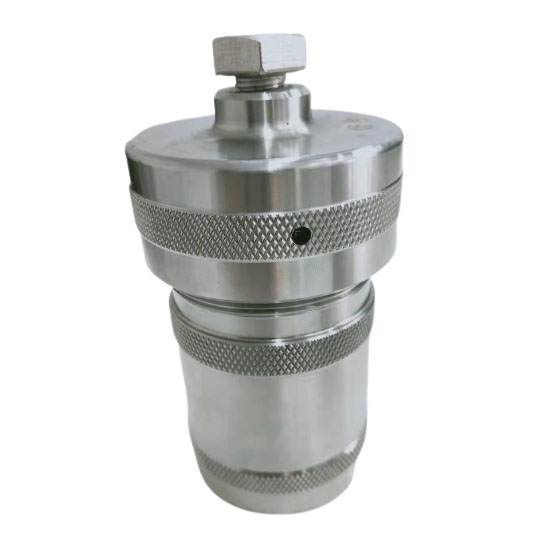
Cheapest Factory Micro Stirred Reactor - Hydro...
The hydrothermal synthesis reactor unit can be used to test the same group of media under different conditions or the different group of media under same conditions. The hydrothermal synthesis reactor unit is composed of cabinet body, rotating system, heating system and control system. The cabinet body is made of stainless steel. The rotating system consists of motor, gear box and rotary support. The control system mainly controls the cabinet temperature and rotating speed. The hydrothermal s...
-
Reliable Supplier DDI - DDI, CAS: 68239-06-5 D...
DDI is a unique aliphatic diisocyanate that can be combined with active hydrogen-containing compounds to prepare polymers. It is a long-chain compound with a 36-carbon dimerized fatty acid backbone. The main chain structure gives DDI superior flexibility, water resistance and low toxicity than other aliphatic isocyanates. DDI is a low-viscosity liquid, easily soluble in most polar or non-polar solvents. Because it is an aliphatic isocyanate, it has non-yellowing properties. What’s th...
-
Hot New Products Polymer Polyol Pilot - DDI, C...
DDI is a unique aliphatic diisocyanate that can be combined with active hydrogen-containing compounds to prepare polymers. It is a long-chain compound with a 36-carbon dimerized fatty acid backbone. The main chain structure gives DDI superior flexibility, water resistance and low toxicity than other aliphatic isocyanates. DDI is a low-viscosity liquid, easily soluble in most polar or non-polar solvents. Because it is an aliphatic isocyanate, it has non-yellowing properties. What’s th...